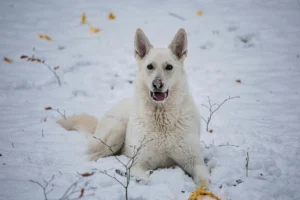


Love it or hate it, winter is just around the corner, and our canine friends are right there with us enjoying the season—sometimes in ways we don’t expect! From romping through snowbanks to curling up in front of the fireplace, winter can be a joyful time for dogs. However, the cold weather also brings challenges that pet owners must consider to keep their furry companions happy, healthy, and safe. Here, a veterinarian from Bucks County, PA, discusses comprehensive winter care tips for your dog, Fido.
Winter Care for Dogs
Love it or hate it, winter’s official start date is just around the corner. While many of our canine companions enjoy romping through snow and ice, colder weather requires extra attention to keep Fido safe, healthy, and happy. Seasonal hazards, shorter daylight hours, and chilly temperatures can affect your dog’s comfort, mobility, and overall well-being. A local vet shares practical tips for keeping your four-legged friend warm and safe this winter.
Paw Care
Snow, ice, salt, sand, and chemical deicers can all be tough on your dog’s sensitive paw pads. Cracked or irritated paws can make walks uncomfortable and even lead to infection. One solution is to purchase or make small dog booties to protect Fido’s feet. However, not all dogs will tolerate footwear, so don’t force it.
If your dog refuses shoes, try paw balms or waxes to create a protective barrier. After walks, wipe your dog’s paws with a damp cloth to remove ice, salt, or chemicals. Keep claws trimmed, too—long nails can reduce traction on slippery surfaces, increasing the risk of falls. Consider using pet-safe deicing products at home to reduce chemical exposure.
Grooming
Regular grooming is vital in winter. Dead hair, dirt, and dander can accumulate in Fido’s coat, reducing its insulating properties. A well-maintained coat helps retain warmth and protects against the cold. Brushing your dog not only removes debris but also stimulates circulation and keeps your pup looking their best.
For dogs with longer coats, make sure hair between the paw pads is trimmed to prevent ice balls from forming. Bathing should be minimized in cold months unless necessary, as over-bathing can strip natural oils from the coat, leaving your dog more susceptible to cold.
Clothing
Some dogs need extra warmth during winter, especially those with thin coats, small frames, or advanced age. A dog sweater or coat can provide additional insulation. When selecting apparel, ensure it fits properly—not too tight or restrictive—and avoid irritating fabrics. Check for zippers, loose threads, or small parts that could be chewed or swallowed. Your goal is comfort, warmth, and freedom of movement.
Veterinary Care
Cold weather can exacerbate existing health conditions, particularly arthritis, joint issues, and heart or respiratory problems. Make sure Fido is up to date on vaccinations and wellness exams, and discuss any special winter considerations with your veterinarian. Preventive care, proper nutrition, and early intervention are key to keeping senior or vulnerable dogs healthy during the colder months.
Walking Safety
When walking Fido in winter, avoid frozen ponds, lakes, or rivers—thin ice is extremely dangerous. Fresh snow can conceal hazards such as broken glass, sharp objects, or uneven terrain. Stick to cleared paths and be extra cautious with senior dogs or those with mobility issues. Consider using a leash with reflective elements or LED lights to increase visibility during shorter daylight hours.
Nutrition
In colder weather, some dogs may require more calories to maintain body heat and energy levels. This is especially true for senior dogs, small breeds, or those with mobility challenges. Consider high-quality food or supplements like fish oil to support joint health and overall wellness. Consult your veterinarian for a tailored winter diet to ensure your dog maintains a healthy weight and receives essential nutrients.
Bedding and Indoor Comfort
Dogs enjoy a warm, cozy bed during cold nights. Ensure Fido’s bedding is in a draft-free location and provides adequate insulation. Wash blankets and bedding regularly to keep them clean and free from moisture, which can exacerbate chills. Heated pads or extra blankets may be beneficial for older dogs or those with arthritis.
Exercise and Enrichment
Even in cold weather, dogs need mental and physical stimulation. Shorter, more frequent walks can keep Fido active without overexposing him to the cold. Indoor games such as fetch in a hallway, tug-of-war, or puzzle toys are excellent ways to keep your dog engaged. Exercise is not only important for physical health but also helps prevent boredom, stress, and anxiety during the winter months.
Signs to Watch For
Monitor your dog for shivering, lethargy, difficulty walking, or reluctance to go outside. Frostbite, hypothermia, and exacerbated arthritis symptoms are real risks in winter. If you notice any unusual behavior, limping, swelling, or signs of pain, contact your veterinarian promptly. Early intervention can prevent minor issues from becoming serious health problems.
Grooming and Coat Care for Senior Dogs
Older dogs often struggle more with regulating body temperature and may have decreased mobility. Regular brushing helps maintain coat health, prevents matting, and keeps circulation strong. If your senior dog has arthritis or hip dysplasia, extra care should be taken during grooming and exercise. Consider shorter sessions with gentle handling to avoid discomfort.
Fun in the Snow
While caution is important, don’t forget to enjoy the season! Many dogs love playing in the snow. Use short play sessions to prevent overexposure and monitor for signs of cold stress. Outdoor time is also an opportunity to bond and keep Fido mentally stimulated. Snow games can be as simple as a gentle snowball toss or letting your dog explore safely enclosed areas.
You can read winter paw care tips on the Animal Humane Society page here. The ASPCA also has a blog on winter pet care here.
Frequently Asked Questions About Winter Pet Care
How can I keep my pet warm during cold weather?
Provide cozy, insulated bedding in draft-free areas of your home. Short-haired or small breeds may benefit from sweaters or jackets for outdoor walks. Always monitor your pet for shivering or reluctance to go outside.
Are short walks better in winter?
Yes. Cold, icy conditions can make long walks dangerous. Shorter, more frequent walks help your pet stay active without risking injury from ice or snow.
How should I protect my pet’s paws?
Use vet-approved paw balms or wax to prevent cracking from ice and salt. Wipe paws after walks to remove salt, chemicals, or debris that could be ingested. Booties can also provide protection for sensitive paws.
Can indoor pets be affected by winter hazards?
Absolutely. Indoor heating can dry out skin, and low humidity may affect breathing. Provide humidifiers if necessary and ensure pets are hydrated.
Should I adjust my senior pet’s exercise routine in winter?
Yes. Older pets may be more sensitive to cold and joint stiffness. Short, gentle walks, indoor play, and mental enrichment activities help keep them active without overexertion.
How do I recognize signs of winter-related health issues?
Watch for shivering, lethargy, limping, coughing, sneezing, or changes in appetite. Pets exposed to icy surfaces may develop frostbite or slips. Contact your vet promptly if you notice any unusual behavior or physical changes.
Visit Our Bucks County, PA Vet Clinic
Winter can be a magical season for you and your dog if you take the proper precautions. From paw protection and grooming to safe walks, nutrition, and indoor enrichment, every step helps ensure that Fido stays happy, healthy, and warm. Monitoring your dog’s behavior, adjusting routines to meet their needs, and consulting your veterinarian whenever concerns arise can make this season enjoyable for both you and your furry companion.
If you are searching for “dog winter care near me”, our animal hospital is here to provide guidance, preventive care, and wellness support. Schedule a visit to learn how to best protect your dog this winter, from nutrition advice to joint care and cold-weather safety tips.
Disclaimer: This blog is for educational purposes only and is not a substitute for professional veterinary advice. Always consult your veterinarian for guidance specific to your pet’s health and needs.
Want to read more about our top-notch Bucks County, PA pet clinic and the services we provide? You can get an overview at our main Services page here. Or, find out about our House Calls offerings here.