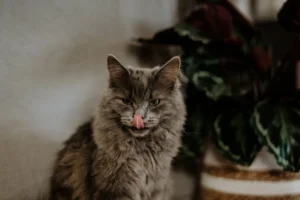


Cats generally reach their senior years at approximately eleven years old. Nowadays, kitties often enjoy a long and healthy life, living well into their teens or even twenties. Our cherished feline companions often age gracefully, so you’re more likely to notice subtle, progressive changes in Fluffy’s appearance and behavior rather than sudden, dramatic transformations. However, just like elderly people, older kitties require more frequent visits to the veterinarian than their younger counterparts. In this article, a veterinarian provides helpful advice on how to bring an older cat to the doctor.
How Often Should Fluffy Visit Her Veterinarian?
There is no definitive answer to this question because it will depend on Fluffy’s age, health, and lifestyle. Regular annual check-ups are recommended for all cats, but seniors often benefit from more frequent appointments, especially if they have health problems. Follow your veterinarian’s recommendations. Of course, if you notice symptoms of illness, you should schedule an appointment right away.
What Are Some Common Health Problems That Older Cats Might Have?
As cats age, they can experience a range of health issues similar to those that affect older humans. Kidney disease is a common one. Our senior patients are also prone to a variety of Common conditions include diabetes, hyperthyroidism, cancer, heart disease, liver disease, osteoarthritis, and IBD. Another common problem that senior cats face is Feline Lower Urinary Tract Disease (FLUTD), which can cause urinary blockage, bladder stones, and kidney complications.
Cognitive decline is also common among older cats, even if they are otherwise healthy.
While any cat can contract these illnesses, certain breeds are more likely to develop specific health problems. It might be worthwhile to get a kitty DNA test.
Taking Fluffy To The Veterinary Clinic
Fluffy is unlikely to develop a newfound love of visiting the clinic in her golden years. Most cats prefer to stay at home so that their regular napping schedules are not disrupted. Man’s Second Best Friend generally dislikes car rides. (Actually, that is an understatement.)
You can take a few steps to improve Fluffy’s travel experience.
- Everyone prefers a comfortable ride!
- Timing is everything: try to schedule an appointment when the clinic is less busy. Quiet days are never guaranteed, as emergencies can happen at any time. However, certain days and times are typically busier than others. Of course, if your pet is exhibiting symptoms of illness, you should bring her in immediately.
- Drive carefully, avoiding sudden turns, rough terrain, and abrupt acceleration or deceleration.
What Are The Best Practices For Safely Transporting An Older Cat?
When traveling, ensure that Fluffy is safely enclosed in a crate or carrier. This ensures her safety and gives you peace of mind, as you won’t have to worry about your pet climbing onto your lap while you’re driving.
Add soft bedding to make the carrier more appealing. Another option to consider is including a cherished toy or indulging your feline friend with some catnip.
As cats age, they might start to feel stiffness and discomfort, particularly if they have arthritis or other health problems. Fluffy might not like being held. Be extremely cautious when handling your feline pal!
What Changes Can I Expect As My Feline Companion Ages?
As previously stated, our feline companions typically reach their golden years at around 11 years old. An 11-year-old cat can still be energetic and playful, with many happy years of purring and pouncing ahead of her. When your pet reaches the age of 15, they will be considered geriatric.
In terms of changes, you may notice Fluffy sleeping more and being less active than she used to be. Your cute little friend may also appear a little disorganized. Older cats may struggle with grooming. Furthermore, their fur is prone to oiliness. Brushing your pet regularly will help her.
Keep in mind that our feline companions mature differently. Some cats may appear to be in good health and content, only to experience a sudden decline. Others may only gradually feel the effects of illness, disease, or the natural passage of time.
Pay close attention to your feline companion and look for any signs of discomfort. These could be very subtle! If you come across anything unusual, please contact us immediately.
How Can You Figure Out If Your Senior Cat Is Not Feeling Well?
Weight loss, increased urination, stiffness, vomiting, diarrhea, increased thirst, litterbox issues, and respiratory problems are all things to keep an eye out for. It’s also important to keep an eye out for any behavioral changes. When cats are ill or in discomfort, they may vocalize loudly. Your feline companion may also show unusual behavior.
Another red flag to be aware of is lethargic behavior. Fluffy has an incredible ability to sleep for up to 20 hours per day. However, if she is constantly sleeping, she may have an underlying problem.
What Happens When An Older Cat Goes To The Vet?
If Fluffy is only coming in for an exam and wellness care, the appointment will most likely be simple and routine, just like her regular checkups have always been. The veterinarian will evaluate your pet’s overall health and monitor vital signs like pulse and breathing. Furthermore, they will provide you with information on any recommended immunizations or boosters for Fluffy. Additional tests or panels may be recommended based on your cat’s age and any symptoms she displays.
How Can You Keep A Senior Cat Safe And Happy At Home?
You can take several steps at home to ensure that your beloved pet remains happy, healthy, and purring.
First and foremost, ensuring that your beloved pet has a nutritious diet, a comfortable living environment, and a clean litterbox will greatly improve their overall health and happiness. It’s also important to give Fluffy plenty of toys and playtime.
You can also make minor changes to make your home more suitable for senior pets. Consider purchasing pet ramps or steps to help your cat easily access her favorite resting areas. Night lights can help her navigate the house during the evening hours. Beds are also very important for our feline friends. Provide plenty of comfortable spots for your pet to take naps. Consult your veterinarian for specific information about your cute pet’s changing care requirements.
Finally, ensure that Fluffy feels loved and safe. Senior cats have a distinct personality, and their purrs are truly precious! Enjoy every meowment with your feline companion!
Check out this blog from Cornell University on caring for an older cat. The ASPCA has an article on caring for an older cat, which you’ll find here.
Visit Our Veterinary Clinic in Bucks County, PA for Senior Cat Care
Ensuring your senior cat stays healthy and happy requires attention, care, and regular veterinary support. At Animal Hospital of Richboro, serving Bucks County, PA, our veterinarians provide personalized wellness exams, nutritional guidance, and senior-focused health monitoring to help your feline companion enjoy her golden years comfortably.
Whether it’s managing chronic conditions, addressing mobility issues, or simply making her visits less stressful, our team is here to support both you and Fluffy. Our pet clinic and pet hospital offer comprehensive care for cats of all ages, with staff trained in handling senior pets gently and compassionately.
Are you looking for a trusted vet near me in Bucks County, PA? Contact Animal Hospital of Richboro today to schedule your senior cat’s wellness visit and ensure she continues to thrive with the best veterinary care available.
This blog is for informational purposes only. Always consult your veterinarian for proper medical advice, diagnosis, or treatment plan for your senior cat, and follow their professional guidance.
Want to read more about our top-notch Bucks County, PA pet clinic and the services we provide? You can get an overview at our main Services page here. Or, find out about our House Calls offerings here.