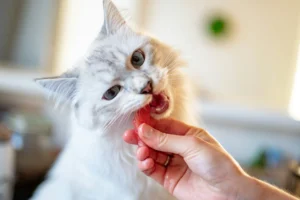


Most people think of the basics when it comes to cat care: food, a cozy bed, a litter box, and regular visits to a trusted veterinarian. But did you know that cat dental care is just as essential for your feline friend’s overall health? Cats can develop painful dental problems just like humans, and ignoring these issues can lead to serious complications, including infections that affect internal organs.
At Animal Hospital of Richboro, serving families in Bucks County, PA, we emphasize the importance of monitoring your cat’s oral health and recognizing early warning signs. Learning how to properly care for your kitty’s teeth can prevent pain, infections, and costly veterinary treatments while keeping Fluffy happy, healthy, and playful.
Common Dental Problems in Cats
Periodontitis and Gum Disease
Periodontitis is a widespread dental condition in cats, just as it is in dogs and humans. It involves inflammation and infection of the gums and supporting structures of the teeth. Untreated gum disease can lead to tooth loss, pain, and systemic health issues.
Stomatitis
Stomatitis is a painful condition that affects a cat’s gums and mouth. Cats with stomatitis may exhibit reluctance to eat, drooling, or irritability. Early diagnosis by a veterinarian can help manage the condition effectively.
Abscesses, Broken, or Missing Teeth
Cats may develop abscesses, cracked teeth, or tooth loss from trauma, chewing on hard objects, or untreated infections. These problems can cause significant pain and difficulty eating.
Tooth Resorption
Tooth resorption occurs when a cat’s body begins breaking down the tooth structure. This condition can be extremely painful and often requires professional veterinary care to extract affected teeth.
Why Cats Need Regular Dental Care
Dental care is a critical component of overall cat wellness. Mouth infections and toothaches are extremely painful and can affect other parts of the body. Infections in the mouth may spread to the heart or brain if left untreated. Preventative care—including regular veterinary dental exams—helps avoid problems before they become serious. Consistent cat dental care not only protects Fluffy from pain but also makes routine care easier for both pet and owner.
At-Home Cat Dental Care Options
Brushing Your Cat’s Teeth
Brushing your cat’s teeth is the most effective way to maintain oral health. Start while your cat is a kitten so Fluffy becomes accustomed to the routine. Use a cat-specific toothbrush and toothpaste, and go slowly to avoid stress. Focus on one area at a time, praise your cat, and offer a small treat afterward.
Alternatives to Brushing
If your cat resists brushing, there are other ways to support oral hygiene. Dental flakes that can be sprinkled on food and oral rinses designed for cats can help prevent plaque buildup. Consult your veterinarian for personalized recommendations based on your cat’s temperament and needs.
Building Positive Associations
Make oral care a pleasant experience. Gently massage your cat’s gums, praise her, scratch behind her ears, and reward her with treats or affection. Avoid forcing the process, as this can damage trust and make future care more difficult.
Recognizing Signs of Kitty Dental Issues
Cats are skilled at hiding pain, so vigilance is key. Look for the following symptoms:
Physical Signs
- Tartar buildup
- Bleeding, swollen, or red gums
- Loose or missing teeth
- Swelling in the face, jaw, or cheeks
- Halitosis (bad breath)
- Excessive drooling
Behavioral Signs
- Loss of appetite or preference for softer foods
- Weight loss
- Difficulty chewing food
- Pawing at the mouth
- Withdrawal or decreased social interaction
- Avoiding being touched on the face
- Changes in grooming habits
- Reduced interest in playing
- Grumpiness in otherwise friendly cats
If you notice any of these signs, it is crucial to contact your veterinarian immediately for a thorough examination and treatment plan. Early intervention can prevent further complications and ensure your cat remains healthy and comfortable.
Read some about kitty teeth at the PetMD website here, or learn about feline dental issues on the PetMD website here.
Frequently Asked Questions About Cat Dental Care
How often should I have my cat’s teeth checked?
Most veterinarians recommend a professional dental exam at least once a year. Cats with chronic dental issues may require more frequent visits. Regular check-ups help detect problems early and prevent serious complications.
Can I brush my cat’s teeth at home?
Yes. Brushing is the most effective method to prevent tartar buildup and gum disease. Start gradually, use cat-specific toothpaste, and make the process positive with praise and treats. Even short daily sessions help maintain oral health.
What are the risks of untreated dental problems in cats?
Untreated dental issues can lead to infections, tooth loss, difficulty eating, pain, and systemic problems affecting the heart, kidneys, or liver. Regular dental care is essential to prevent these serious outcomes.
Are dental treats or water additives effective?
Dental treats and water additives can support oral health but are not a substitute for brushing or professional cleanings. They help reduce plaque and tartar but work best in combination with other dental care practices.
How can I tell if my cat is in pain from dental problems?
Signs include decreased appetite, drooling, pawing at the mouth, avoidance of face touch, grumpiness, and changes in grooming or play habits. Cats often hide pain, so even subtle behavioral changes may indicate a problem.
What should I do if I notice swelling or bleeding in my cat’s mouth?
Contact your veterinarian immediately. Swelling or bleeding can indicate infection, injury, or advanced dental disease. Your vet can perform a thorough exam and recommend treatment such as cleaning, medication, or tooth extraction if needed.
Schedule an Appointment With Our Bucks County, PA Veterinary Clinic
Maintaining your cat’s oral health is essential for her overall well-being. At Animal Hospital of Richboro, our veterinarians provide expert care for cat dental problems, including professional exams, cleanings, and treatment for gum disease, tooth resorption, and abscesses. Protecting your kitty’s teeth ensures she remains happy, comfortable, and healthy throughout her life.
Are you searching for a reliable vet near me to care for your cat’s teeth? Contact our pet clinic in Bucks County, PA today to schedule an appointment and keep your furry friend’s smile bright.
This blog is for informational purposes only. Always consult your veterinarian for proper medical advice, diagnosis, or treatment plan for your pet, and follow their professional guidance.
Want to read more about our top-notch Bucks County, PA pet clinic and the services we provide? You can get an overview at our main Services page here. Or, find out about our House Calls offerings here.