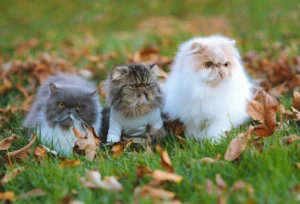


Autumn is a season of cozy sweaters, colorful leaves, and festive treats, but for senior pets, it also brings unique challenges. As pets age, their health, mobility, and tolerance for certain foods, weather, and social situations can change dramatically. Older cats and dogs may be calmer than their younger counterparts, but they often require extra attention to stay safe, comfortable, and healthy. At Animal Hospital of Richboro, serving Bucks County, PA, we want to help you make this autumn enjoyable for your senior pets while avoiding hazards that can arise during the season.
Avoiding Dangerous Treats
Autumn is synonymous with candy, especially around Halloween. Many households have candy stashes that can pose a significant risk to pets, particularly older ones. Chocolates, raisins, and anything containing xylitol (also known as birch sugar) can be highly toxic. Hard candies can cause choking hazards or digestive issues. Even treats high in sugar or fat should be avoided, as older dogs are more prone to pancreatitis, diabetes, and obesity.
Healthier options include plain cooked meats such as chicken or turkey without skin, bones, or seasoning. Some fruits and vegetables, like cooked sweet potatoes or pureed pumpkin, can also provide nutrients and fiber without endangering your senior pets. Always check with your veterinarian before introducing new foods. This is particularly important for older animals who may have sensitive digestive systems.
Fire and Flame Safety
Candles, torches, and fire pits are popular for creating an autumn ambiance. While these are generally safe, they pose additional risks for older pets. Senior cats and dogs often have reduced vision and hearing, making it more likely for them to stumble or knock over a candle. Keep pets away from open flames, fireplaces, and outdoor torches. Elevated candle holders and enclosed fire pits can reduce risk, and always supervise your pets when these items are in use.
Managing Outdoor Safety
Cats, especially seniors, should be kept indoors during the fall. Older cats may have reduced mobility, vision, and hearing, which increases their risk outdoors. Vehicles, toxins, and environmental hazards can all pose dangers. Black cats may also face increased risk during Halloween due to pranks.
Senior dogs still need outdoor time for exercise and bathroom breaks, but precautions are necessary. Use a reflective or LED leash for evening walks, keep dogs on a secure leash, and avoid high-traffic areas. If you have a fenced yard, it is safer, but supervision is still essential to prevent trips or falls in older dogs. Limiting outdoor activity during late autumn or after dark can help keep senior pets safe.
Costume Considerations
Dressing pets in costumes is popular during autumn festivities. While it can be cute to see your senior dog in themed attire, comfort and safety should always come first. Costumes should fit properly, be made of non-toxic materials, and not restrict movement, vision, or breathing. Avoid accessories with dangling bits or flammable materials. Older pets are less tolerant of extreme temperatures, so avoid costumes that can overheat or chill them.
Calm Environments
Autumn brings bustling social calendars with Halloween, Friendsgiving, football gatherings, and more. These events can overwhelm older pets who are more sensitive to noise, crowds, and chaos. Providing a quiet retreat is essential. Create a cozy space with a soft bed, familiar toys, and a blanket. Background noise like a TV or soft music can mask disruptive sounds. Crates can also provide a secure sanctuary.
If your pet becomes anxious during social events, consult your veterinarian. There are calming aids available, such as collars, treats, and sprays, that are designed to reduce anxiety safely. Ensuring your senior pet feels secure will prevent stress-related behaviors such as pacing, vocalizing, or inappropriate elimination.
Seasonal Toys and Enrichment
Pet toys have evolved far beyond the simple mouse or ball. Seasonal and themed toys can keep senior pets engaged without overexertion. Cats may enjoy plush bats, spiders, or harvest-themed toys, while dogs might enjoy interactive treat puzzles or soft squeaky toys. Gentle play helps maintain mental sharpness, encourages mild physical activity, and strengthens the bond between you and your senior pet.
Comfort and Bedding
As temperatures drop, senior pets are more vulnerable to cold. A well-cushioned bed or orthopedic mattress can protect joints and provide warmth. For senior cats, assistance with grooming is often necessary. Aging felines may struggle to reach all areas of their bodies, leading to mats, tangles, or oily fur. Regular brushing ensures they remain comfortable, reduces hairballs, and maintains healthy skin.
Seasonal Nutrition
Some autumn foods can benefit senior pets when prepared safely. Pureed pumpkin is high in fiber, vitamins, and minerals, and it can aid digestion. Apples (without seeds or cores) and cooked sweet potatoes can also be nutritious options. Lean, boneless meats, like turkey or chicken, provide protein without added fats. Avoid processed, salty, or sugary foods, which older pets may digest poorly or may exacerbate chronic conditions. Always consult your veterinarian for guidance on seasonal dietary adjustments for senior pets.
Enjoying the Outdoors Safely
Autumn weather is perfect for brief walks or sunbathing. Older dogs can benefit from gentle strolls to stimulate circulation and joint mobility. Cats may enjoy watching the outdoors from a safe window perch or enclosed porch. Sunlight exposure is beneficial, and observing nature can provide mental stimulation. Avoid overexertion and watch for signs of fatigue, joint pain, or overheating.
Capture Autumn Memories
Autumn’s natural beauty creates perfect opportunities for photography. Use early morning or late afternoon light to capture your senior pet’s personality in soft, flattering sunlight. Gentle, patient photo sessions that accommodate your pet’s pace and comfort will yield the best results. These photos become cherished memories, highlighting your pet’s charm during their golden years.
The ASPCA covered fall pet care in this article. The Oregon Veterinary Medical Association also covered autumn pet hazards here.
Frequently asked questions About Senior Pets in Autumn
How can I prevent my senior pet from overeating treats?
Offer measured portions of healthy snacks, avoid high-fat or sugary foods, and supervise during seasonal gatherings. You can use puzzle toys to make treat time more engaging.
Should I limit my senior dog’s outdoor walks in the fall?
Not necessarily, but take precautions. Use reflective gear, avoid dark or high-traffic areas, and monitor for fatigue or stiffness. Shorter, more frequent walks are often safer.
Are indoor cats safer than outdoor cats in autumn?
Yes, indoor cats are protected from traffic, toxins, pranks, and environmental hazards. Older cats are especially at risk outdoors, so indoor living is recommended.
Can I dress my senior pet in costumes?
Costumes are fine if they are comfortable, non-restrictive, and made from safe materials. Avoid overheating and never leave pets unsupervised in attire.
How can I reduce stress for my older pet during autumn events?
Create a quiet retreat, provide familiar toys and bedding, use calming aids if necessary, and supervise exposure to guests and noise.
What seasonal foods are safe for senior pets?
Plain cooked turkey or chicken, sweet potatoes, pureed pumpkin, and apple slices (without seeds) are safe and nutritious in moderation. Always consult your vet for personalized advice.
Schedule A Senior Pet Checkup
Autumn is a wonderful season to enjoy the company of senior pets while taking extra precautions for their safety and comfort. Regular veterinary visits are especially important for aging animals to detect and manage arthritis, dental issues, vision and hearing loss, and other age-related concerns.
At Animal Hospital of Richboro, serving Bucks County, PA, we specialize in senior pet care. Our team can provide tailored advice, seasonal safety tips, and comprehensive wellness exams to ensure that your senior dog or cat enjoys a happy, healthy, and stress-free autumn. Schedule a visit today and make this season safe and enjoyable for your beloved senior pets.
If you are searching for “senior pet care near me”, our veterinary team can help ensure your older cats and dogs stay safe, healthy, and comfortable throughout the autumn season. From nutrition to exercise and safety tips, we are here to support your senior pet’s well-being.
This blog is for educational purposes only and is not a substitute for professional veterinary advice. Always consult your veterinarian for guidance specific to your pet’s health and seasonal care needs.
Want to read more about our top-notch Bucks County, PA pet clinic and the services we provide? You can get an overview at our main Services page here. Or, find out about our House Calls offerings here.